
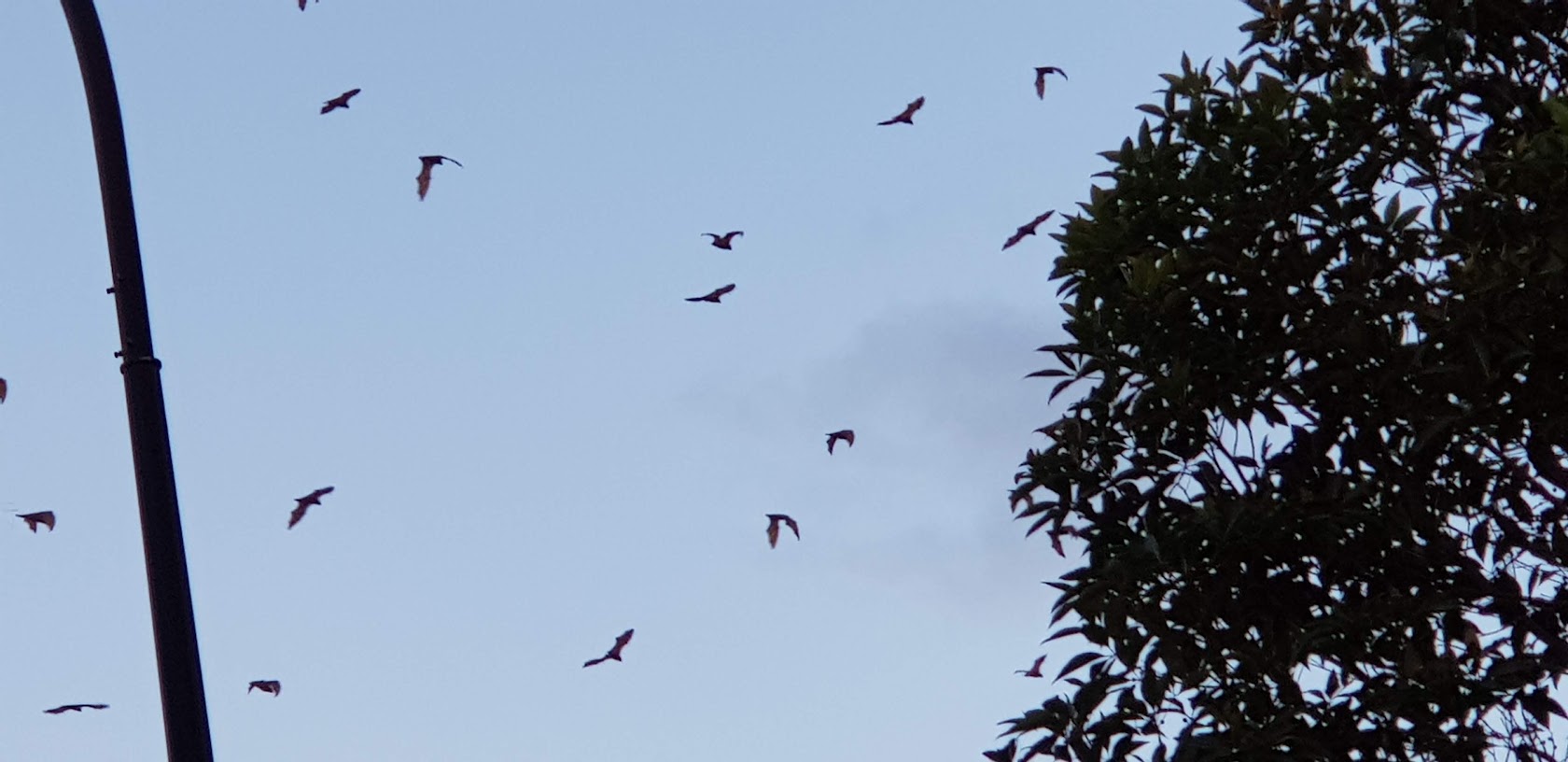
In the lush landscapes of Noosa, a key component of the region’s ecological tapestry can be found in its population of flying foxes, or fruit bats. These nocturnal mammals, often misunderstood and underappreciated, play an indispensable role in sustaining the health and diversity of Noosa’s ecosystems. This expanded article delves into the multifaceted contributions of flying foxes to the area’s natural environment.
Understanding Flying Foxes
Species Diversity in Noosa
Noosa is a haven for several species of flying foxes, including the vulnerable Grey-headed Flying Fox and the Black Flying Fox. Each species brings unique traits and behaviors, but they all share the critical role of being keystone species in their ecosystems.
Lifestyle and Ecological Functions
Flying foxes are primarily nocturnal, roosting in large numbers during the day in what are known as ‘camps’. At night, they embark on foraging journeys that can span over 50 kilometers. Their diet primarily consists of nectar, pollen, and fruits, which positions them as vital pollinators and seed dispersers in their habitats.
The Ecological Importance of Flying Foxes
Pollination and Seed Dispersal
Flying foxes are nature’s unparalleled gardeners. In Noosa’s ecosystem, they are integral to the pollination of native tree species like eucalyptus, melaleuca, and banksia. Their ability to travel long distances makes them efficient at cross-pollinating plants over vast areas, promoting genetic diversity and robustness in plant populations.
In terms of seed dispersal, flying foxes are particularly effective in propagating rainforest species. They play a pivotal role in maintaining the genetic flow between fragmented patches of rainforest, which is increasingly important as habitat loss and fragmentation continue.
Maintaining Forest Health and Biodiversity
The work of flying foxes in pollination and seed dispersal has far-reaching implications for forest health in Noosa. Healthy, diverse forests are not only critical for the survival of myriad other species but also for various ecosystem services, such as carbon sequestration, soil fertility, and water cycle regulation, all of which have direct and indirect benefits to human populations.
Indicator Species: Reflecting Ecosystem Health
As indicator species, the health of flying fox populations is a bellwether for the overall health of the ecosystem. Fluctuations in their numbers can signal changes in the environment, such as shifts in climate patterns or the impact of human activities, providing essential data for conservationists and policymakers.
Challenges and Threats
Habitat Loss and Climate Change
Urban expansion and agricultural development in and around Noosa have led to significant habitat loss for flying foxes. Additionally, climate change is altering flowering patterns of many native trees, impacting food availability for these animals.
Human-Wildlife Conflict
Misconceptions about flying foxes often lead to negative perceptions. Noise and mess associated with large roosts, coupled with exaggerated disease fears, sometimes result in conflict with human communities.
Conservation Efforts in Noosa
Protecting and Restoring Habitats
Conservation efforts in Noosa include habitat protection and restoration projects, ensuring that key feeding and roosting sites are preserved and regenerated. This approach not only benefits flying foxes but also a host of other species that rely on these habitats.
Education and Community Engagement
Public education campaigns are crucial in shifting perceptions about flying foxes. By increasing awareness of the ecological roles of these animals, conservation groups hope to foster a more harmonious coexistence between humans and flying foxes.
Research and Monitoring
Ongoing research and monitoring efforts are essential to understand the complex dynamics of flying fox populations and their interactions with the environment. These studies help inform effective conservation strategies and policy decisions.
In Noosa’s rich tapestry of biodiversity, flying foxes play a role that cannot be overstated. Their contributions to pollination and seed dispersal are vital for the health and sustainability of the region’s ecosystems. Protecting these creatures is not only about preserving a single species but is integral to maintaining the ecological integrity of Noosa’s natural landscapes. As the region continues to develop and evolve, understanding and supporting the role of these nocturnal pollinators will be key to ensuring a balanced and thriving ecosystem.